Water Softener vs. Whole-Home Water Filtration: Which System Do You Need?
Water Softener vs. Whole-Home Water Filtration: Which System Do You Need?
If you've noticed spots on your dishes, dry skin after showering, or strange tastes in your water, you might be wondering what's wrong with your home's water supply. Two of the most common solutions homeowners consider are water softeners and whole-home water filtration systems.
But here's the thing: these two systems do completely different jobs. A water softener addresses one problem, while a filtration system addresses another. Some homes need one, some need both, and some might be surprised to learn they need neither.
In this guide, we'll break down how each system works, compare their pros and cons, and help you figure out which one (or both) your home actually needs. Let's start with the basics.
What is a Water Softener and How Does It Work?
A water softener is a system designed to remove minerals—primarily calcium and magnesium—from your water. These minerals make water "hard." When hard water dissolves soap, it doesn't lather well and leaves residue behind.
How Water Softeners Work
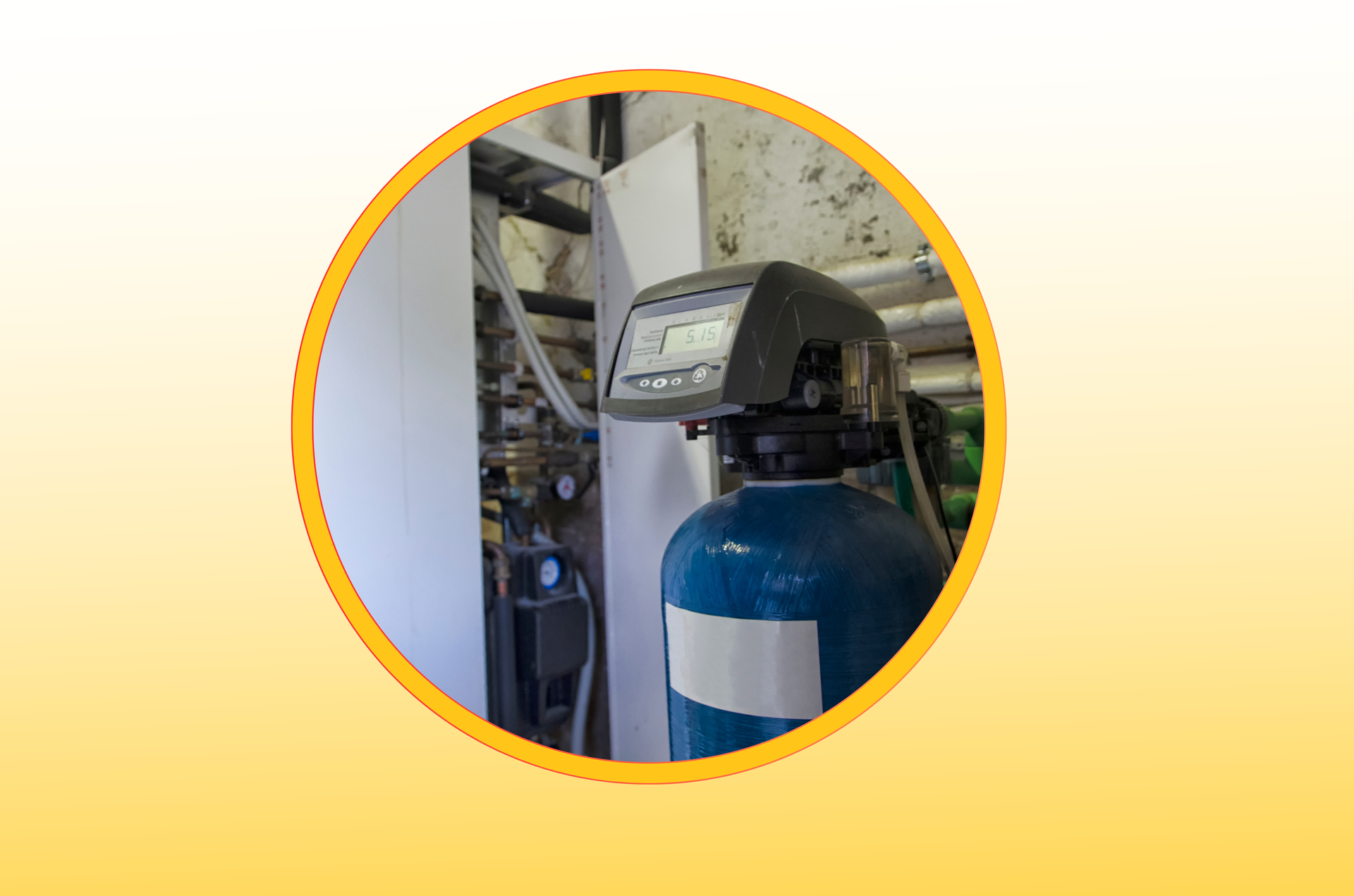
Most residential water softeners use ion exchange technology. Here's the process:
- Hard water enters the softener's mineral tank, which is filled with resin beads coated with sodium or potassium
- As hard water passes through, the calcium and magnesium minerals are attracted to these beads and swap places with sodium or potassium ions
- The result is "soft" water that exits your home's pipes
- When the resin beads become saturated with minerals, the softener automatically regenerates using a salt brine solution to recharge the beads
Salt-free water softeners use a different approach called template-assisted crystallization (TAC), which conditions the water instead of removing minerals. These systems are less common but work well for homeowners who want to avoid adding sodium to their water.
What Does a Water Softener NOT Do?
This is critical to understand: a water softener does not filter or purify water. It doesn't remove contaminants like bacteria, lead, chlorine, pesticides, or other chemicals. It only removes hardness minerals.
Key Takeaway: Water softeners solve the "hard water" problem—they don't make water safer to drink or remove contaminants.
Water Softener Pros and Cons
Advantages of Water Softeners:
- Protects appliances (water heaters, dishwashers, laundry machines) from scale buildup that shortens their lifespan
- Saves money on energy bills by allowing appliances to run more efficiently
- Improves soap and detergent effectiveness, reducing the amount you need to use
- Reduces spotting on dishes and glassware
- Softens skin and hair—less dryness after bathing
- Eliminates white, chalky buildup on faucets and fixtures
- Extends the life of plumbing pipes by reducing scale accumulation
Disadvantages of Water Softeners:
- Adds sodium to drinking water (unless using a salt-free system)
- Requires regular maintenance and resin recharging
- Uses water during the regeneration process
- Higher upfront installation cost
- Requires space near the main water line for installation
- Some people prefer the taste of mineral-rich water
- Does not address water quality or contamination issues
What is a Whole-Home Water Filtration System and How Does It Work?
A whole-home water filtration system treats water contamination by removing harmful substances like chlorine, sediment, bacteria, lead, pesticides, and other chemicals. These systems filter all the water entering your home at the point of entry.
How Whole-Home Water Filtration Works
Different filtration systems use different methods, but the basic concept is the same: water passes through one or more filters that trap contaminants.
- Sediment filters trap dirt, sand, and visible particles
- Activated carbon filters use porous carbon to absorb chlorine, volatile organic compounds (VOCs), and improve taste and odor
- Reverse osmosis systems force water through a semi-permeable membrane to remove dissolved contaminants at the molecular level
- UV filtration uses ultraviolet light to kill bacteria and viruses
- Multi-stage systems combine several of these methods for comprehensive treatment
The type of filter you need depends on what's in your water. A water test can identify specific contaminants so you can choose the right system.
What Does Whole-Home Filtration NOT Do?
A whole-home filtration system does not remove hardness minerals. If you have hard water (calcium and magnesium), a filtration system won't fix that problem. You need a water softener for that.
Key Takeaway: Whole-home filtration systems remove contaminants and improve water quality—they don't solve hard water problems.
Whole-Home Filtration Pros and Cons
Advantages of Whole-Home Filtration:
- Removes harmful contaminants (lead, bacteria, chlorine, pesticides, PFAS)
- Provides clean, safer drinking water throughout your entire home
- Improves water taste and smell significantly
- Protects appliances from sediment and contaminant damage
- No chemicals or salt added to your water
- Reduces reliance on bottled water (better for environment and wallet)
- Better for people with sensitive skin or allergies
- Can be combined with other systems for comprehensive treatment
Disadvantages of Whole-Home Filtration:
- Higher upfront installation cost for comprehensive systems
- Requires periodic filter replacements (every 6-12 months depending on system)
- Takes up space near the main water line
- Does not address hard water problems
- May reduce water pressure if incorrectly sized
- Needs professional installation for optimal performance
- Requires water testing to identify which contaminants need treatment
When Do You Need a Water Softener?
You likely have a hard water problem if you notice:
- White, chalky buildup on faucets, showerheads, and fixtures
- Spots on dishes and glassware even after washing
- Soap that doesn't lather well or leaves residue
- Stiff, dull laundry after washing
- Dry, itchy skin or dull, sticky hair after bathing
- Water heater making strange noises or running less efficiently
- Known hard water in your area (you can ask your local water utility or get a water test)
Solution: Get a professional water test to determine your water hardness level. If your hardness is above 7 GPG (grains per gallon), a water softener is a good investment. Contact Done-Rite Plumbing & Rooter for water testing and softener installation services.
When Do You Need Whole-Home Water Filtration?
You likely need water filtration if you notice:
- Strange taste or chemical/metallic smell in your water
- Discolored or cloudy water
- Visible sediment or particles in your water
- Concerns about tap water safety (lead, bacteria, contamination)
- Family members with sensitive skin, allergies, or immune system issues
- Private well water (more prone to bacterial and chemical contamination)
- Living in an area with known water quality issues or aging water infrastructure
- Wanting to reduce reliance on bottled water
Solution: Get a professional water test to identify specific contaminants. Based on the results, choose the appropriate filtration system. Contact Done-Rite Plumbing & Rooter for water testing and whole-home filtration installation.
Do You Need BOTH Systems?
Yes, many homeowners benefit from having both a water softener AND a whole-home filtration system.
When Both Systems Make Sense:
- Hard water issues (scale, spotting, dry skin) AND water quality concerns (taste, odor, contamination)
- Private well water that is both hard and potentially contaminated
- Known water quality problems in your area combined with hard water
- Appliances and plumbing that suffer from both scale buildup and sediment damage
The Ideal Setup:
For maximum water quality and appliance protection, many homes benefit from a two-stage approach:
- First Stage: Whole-home filtration system removes contaminants, sediment, and chemicals at the point of entry
- Second Stage: Water softener removes hardness minerals from the filtered water
Important Note: The order matters. Install filtration first to remove contaminants, then softening. This protects your softener from damage and maximizes its effectiveness.
The Bottom Line: Key Differences
Hard water and contaminated water are two different problems.
- Hard water = Too many minerals (calcium, magnesium). Solution: Water Softener
- Contaminated water = Harmful substances (lead, bacteria, chemicals, sediment). Solution: Whole-Home Filtration
- Both problems = Need both systems for complete water treatment
The best way to know what you need is to get your water tested. A professional water quality test will identify exactly what's in your water and guide the right solution.
READY TO IMPROVE YOUR WATER QUALITY?
Done-Rite Plumbing & Rooter offers professional water testing and system recommendations. Whether you need a water softener, whole-home filtration, or both, our licensed plumbers will help you get clean, quality water for your home.
Call us today: (714) 605-2950
Website: https://www.thedoneriteplumber.com/contact-us